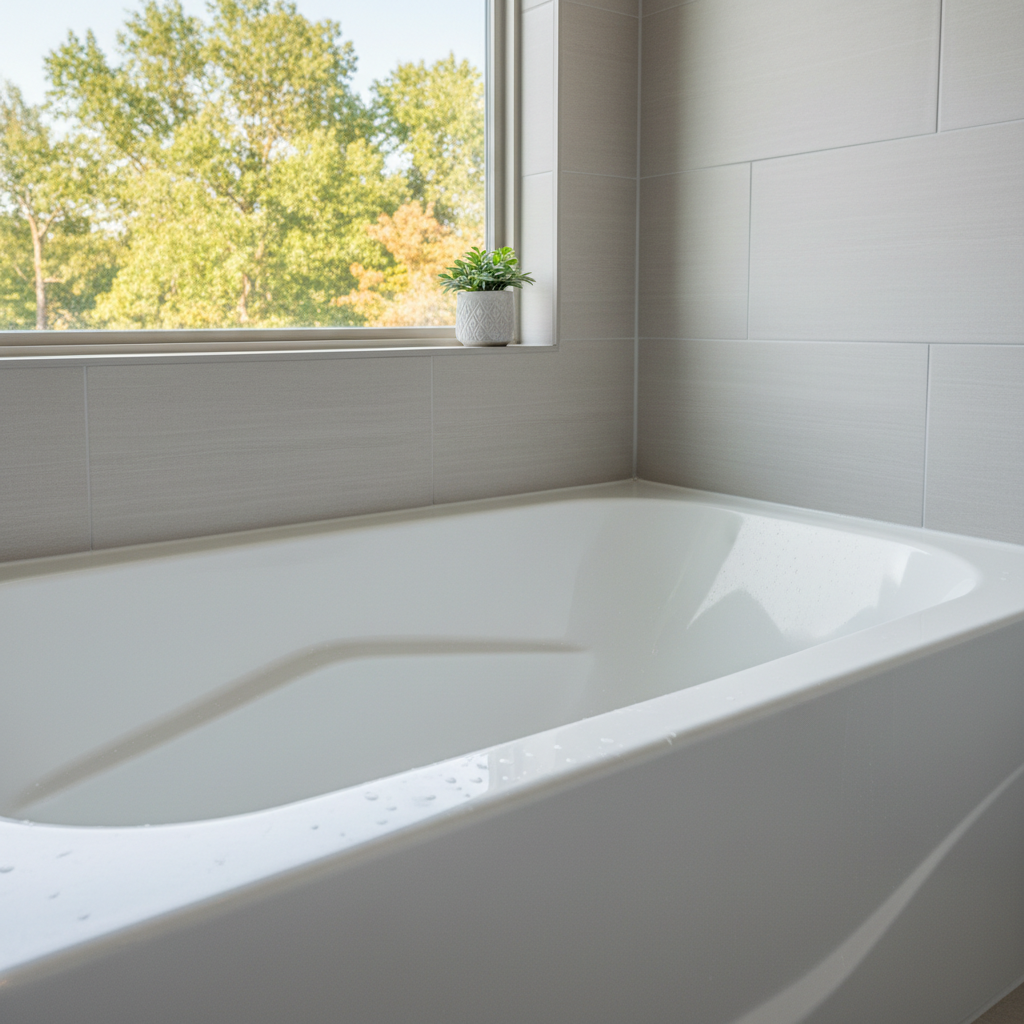
Ever stare at a stained, dated bathtub and wonder what it is actually going to take to get it out of your house? Homeowners in Claremore, OK are dealing with homes that have seen many decades, shifting clay soil, and plumbing styles that changed drastically from the 1960s to today. Aim High Kitchen & Bath gets asked the same handful of questions about Bathtub Replacement in Claremore almost every single week. Let us clear the air and talk about what is really involved in a Bathroom Remodeler project.
How long does a standard bathtub replacement actually take?
Most straightforward Bathtub Replacement projects take about two to three days from start to finish. Day one is usually demolition, hauling out that heavy cast iron or fiberglass monster, and checking the framing and subfloor for water damage. Day two involves setting the new tub, making the plumbing connections, and getting everything level. If Aim High Kitchen & Bath runs into custom tile work or hidden plumbing issues behind the wall, the Bathtub Replacement might stretch to four or five days. We do not like leaving you without a functioning bathroom any longer than we absolutely have to.
Will a new tub fit through my hallway and bathroom doors?
Usually yes, but it depends entirely on what you are buying and the layout of your house. Older homes near downtown Claremore often have tighter hallways and narrower doorframes than newer builds out toward the county roads. Acrylic and fiberglass tubs have some flex and are relatively lightweight, making them easy to maneuver during a Bathtub Replacement. If you are dead set on a heavy cast iron tub, our team has to plan the route carefully because those things weigh hundreds of pounds and do not bend around sharp corners.
What does a bathtub replacement typically cost in this area?
You are generally looking anywhere from $3,500 to $8,000 or more for a complete Bathtub Replacement, depending on the materials you choose and what we find once we open up the walls. A basic acrylic alcove tub with standard wall surrounds sits on the lower end. If you want a deep soaking tub, custom tile surrounds, or premium fixtures, the price goes up. Aim High Kitchen & Bath always gives you a firm, transparent quote before we touch a single wrench so you are not stuck dealing with surprise bills at the end.
Do I need to replace my plumbing valves when I get a new tub?
Yes, absolutely. If you are going through the trouble and expense of putting in a brand-new tub, do not keep your 30-year-old shower valve behind the wall. Old brass valves wear out, and modern trim kits will not fit older valve bodies anyway. Changing out the valve during a Bathtub Replacement while the wall is open saves you from tearing out new tile or panels down the road when an old O-ring finally gives out.
Can I switch from a tub-only setup to a tub-shower combo?
Most of the time, yes. If your current setup only has a tub spout, adding a showerhead requires running water lines up inside the wall cavity. As long as your water supply pipes are in decent shape and we have access to tie into the existing plumbing stack, it is a very common upgrade during a Bathroom Remodeler project. Aim High Kitchen & Bath just has to check your water heater capacity first to make sure it can handle someone taking a long, hot shower in that new tub.
What happens if you find rotting wood under my old tub?
We fix it. Claremore humidity and decades of minor splashing around tub rims mean we frequently find soft subflooring or rotted sill plates in older bathrooms. We cut out the damaged wood, sister in fresh framing, and lay down a solid subfloor before the new unit goes in. Putting a brand-new tub over a rotted floor is a disaster waiting to happen, so our team takes care of the structural foundation first thing during any Bathtub Replacement.