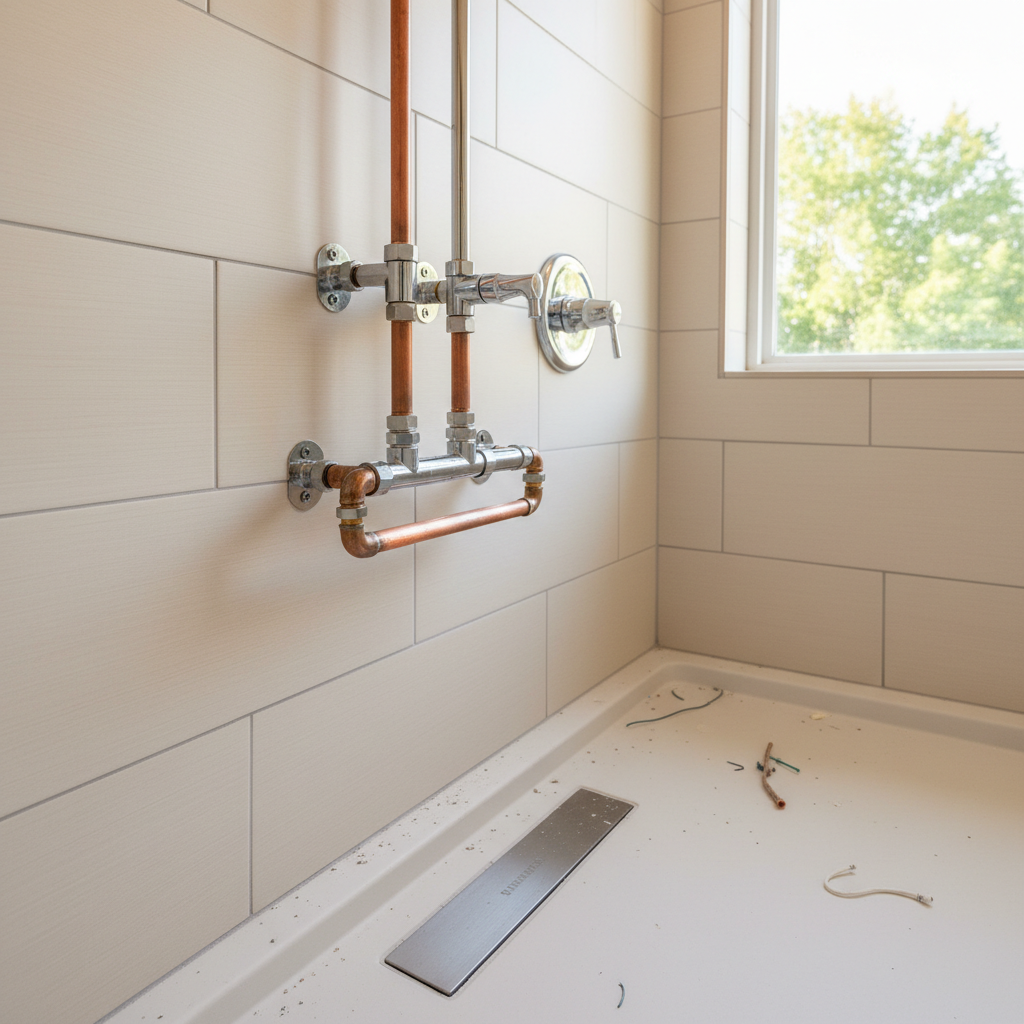
Got a plumbing issue or a renovation idea brewing? We all do from time to time. As someone who's been in the remodeling game for years here in Claremore, I've seen folks try to save a buck and end up spending way more, and I've seen others tackle simple stuff successfully. So, let's talk about plumbing projects: what you can handle, and when you absolutely need to pick up the phone.
Before You Start: Planning & Prep
Before you even think about grabbing a wrench, you need a plan. This isn't just for big projects; even replacing a faucet needs a little thought. First thing's first: know where your main water shut-off valve is. Seriously, if you don't know, go find it right now. It's usually in your basement, crawl space, or near your water meter outside. You'll thank me later when you accidentally break something and water starts gushing.
Next, figure out what you're actually trying to do. Is it a leaky faucet? A running toilet? Or are you dreaming of moving your kitchen sink to a whole new wall? The scope of the project dictates everything.
- Identify the problem: Be specific. Is it a drip, a slow drain, or a full-on flood?
- Gather your tools: For basic repairs, you might need a wrench, pliers, a screwdriver, plumber's tape, and maybe a bucket. Don't start a job without the right tools.
- Watch some videos: There are tons of great tutorials online for simple fixes. Just make sure they're from reputable sources.
For bigger jobs, like a bathroom remodel, you're looking at permits. Yeah, I know, permits are a pain, but they're there for a reason. They ensure your work meets safety codes, and that's important for your home's value and your family's safety. In Claremore, you'll deal with the city's building department for that. Don't skip it, because trying to sell a house with unpermitted work can be a real headache down the line.
DIY Plumbing: What You Can Usually Tackle
There's a good chunk of plumbing work that most handy homeowners can do themselves. You don't need a professional for every little thing. Here's where you can usually save some money and gain some satisfaction:
- Fixing a leaky faucet: Often, it's just a worn-out washer or O-ring. Turn off the water to that fixture (or the main if you don't have a shut-off under the sink), disassemble, replace the part, and put it back together. It's usually pretty straightforward.
- Unclogging a drain: For minor clogs, a plunger is your best friend. If that doesn't work, a drain snake (you can buy a hand-crank one for cheap) can often clear hair and gunk. Just be careful with chemical drain cleaners; they can damage pipes over time, especially older ones.
- Replacing a showerhead: This is usually just unscrewing the old one and screwing on the new one, maybe with a little plumber's tape. Easy peasy.
- Stopping a running toilet: Most of the time, this is a flapper valve that needs replacing or a float that's out of adjustment. Kits are cheap, and instructions are usually right on the package.
- Installing a new toilet: If the rough-in (the drain and water supply lines) is already there, installing a new toilet is definitely a DIY job for many. It's a bit heavy, but not overly complicated.
- Replacing a garbage disposal: Again, if you're just swapping out an old one for a new one in the same spot, it's usually manageable. Just make sure the power is off at the breaker first!
These are the kinds of tasks where a little patience and a YouTube video can go a long way. You'll feel good about saving the service call fee, too.
When to Call a Pro: Don't Risk It
Alright, now for the important part: knowing when to step away from the tools and call someone like us at Aim High Kitchen & Bath, or another trusted plumber. This isn't about being scared; it's about being smart. Some plumbing jobs have serious consequences if done wrong.
- Water heater issues: Repairing or replacing a water heater involves gas lines, electrical connections, and significant water pressure. Messing this up can lead to leaks, fires, or even explosions. This is absolutely a job for a licensed professional.
- Low water pressure throughout the house: This could be anything from a failing pressure regulator to a serious leak somewhere in your main line. Diagnosing and fixing this requires specialized knowledge and tools.
- Burst pipes or major leaks: If you've got water actively gushing or seeping from a wall, shut off your main water supply immediately and call a plumber. Water damage is incredibly expensive to fix, and you want to stop it fast.
- Sewer line problems: Backed-up sewer lines, foul smells, or multiple drains clogging at once usually point to a main sewer line issue. This often requires specialized camera inspections and excavation. You're not going to DIY this.
- Moving or adding new plumbing lines: If you're relocating a sink, adding a new shower, or putting in a new bathroom, you're dealing with altering your home's infrastructure. This involves understanding pipe sizing, venting, and local codes. For example, the clay soils we have around Claremore can shift, and that can impact underground lines over time. You need someone who knows how to account for that and ensure proper drainage and venting.
- Gas line work: Any work involving natural gas lines is extremely dangerous and should only be performed by a licensed professional. Period.
- Persistent problems you can't solve: If you've tried a few DIY fixes for a recurring issue and it keeps coming back, it's time to call in the cavalry. Sometimes a simple problem is a symptom of a bigger underlying issue.
Think about it this way: if a mistake could cause significant water damage, a gas leak, or a code violation that costs you thousands later, it's worth the professional fee upfront. We've seen too many homeowners try to save a few hundred bucks and end up with a five-figure repair bill.
After the Project: What to Do
Whether you did it yourself or hired a pro, a few steps after the work is done are always a good idea.
- Test everything: Turn on the water slowly. Check for leaks. Flush the toilet a few times. Run the faucet. Make sure everything is working as it should.
- Clean up: Don't leave tools and materials lying around. A tidy workspace is a safe workspace.
- Keep records: If you had a professional do the work, keep the invoice and any warranty information. If you did it yourself, maybe jot down what you did and when, especially for things like water heater maintenance.
- Monitor: For the next few days or weeks, just keep an eye on the area. Make sure there are no slow drips or unexpected issues popping up.
Look, plumbing can be intimidating, but it doesn't have to be. Knowing your limits and understanding when to call in the experts is key. Here at Aim High Kitchen & Bath, we're all about doing things right the first time, whether that's guiding you on a DIY fix or stepping in for the bigger jobs. Don't hesitate to reach out if you're unsure. It's always better to ask than to end up with a flooded basement.